The Inland Valley News editorial board recommended a "no" vote on Proposition 40, California's proposed one-time 5% wealth tax on billionaires.
The editorial, published Oct. 28, warned that the ballot measure could weaken the state's income tax base if wealthy taxpayers leave California. That potential loss, the board wrote, would threaten the General Fund services Inland Empire families depend on, including public education, health care and public safety.
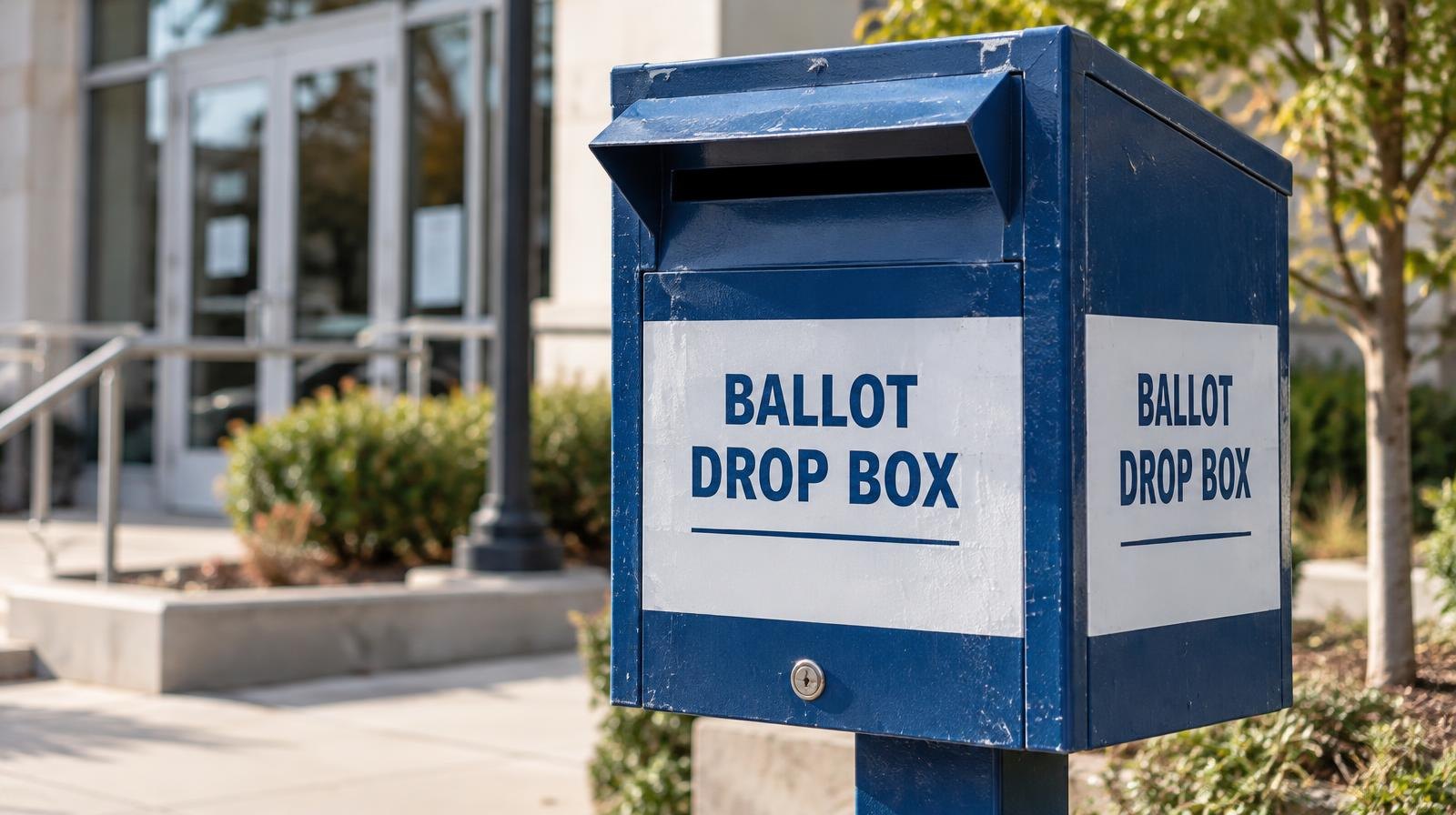
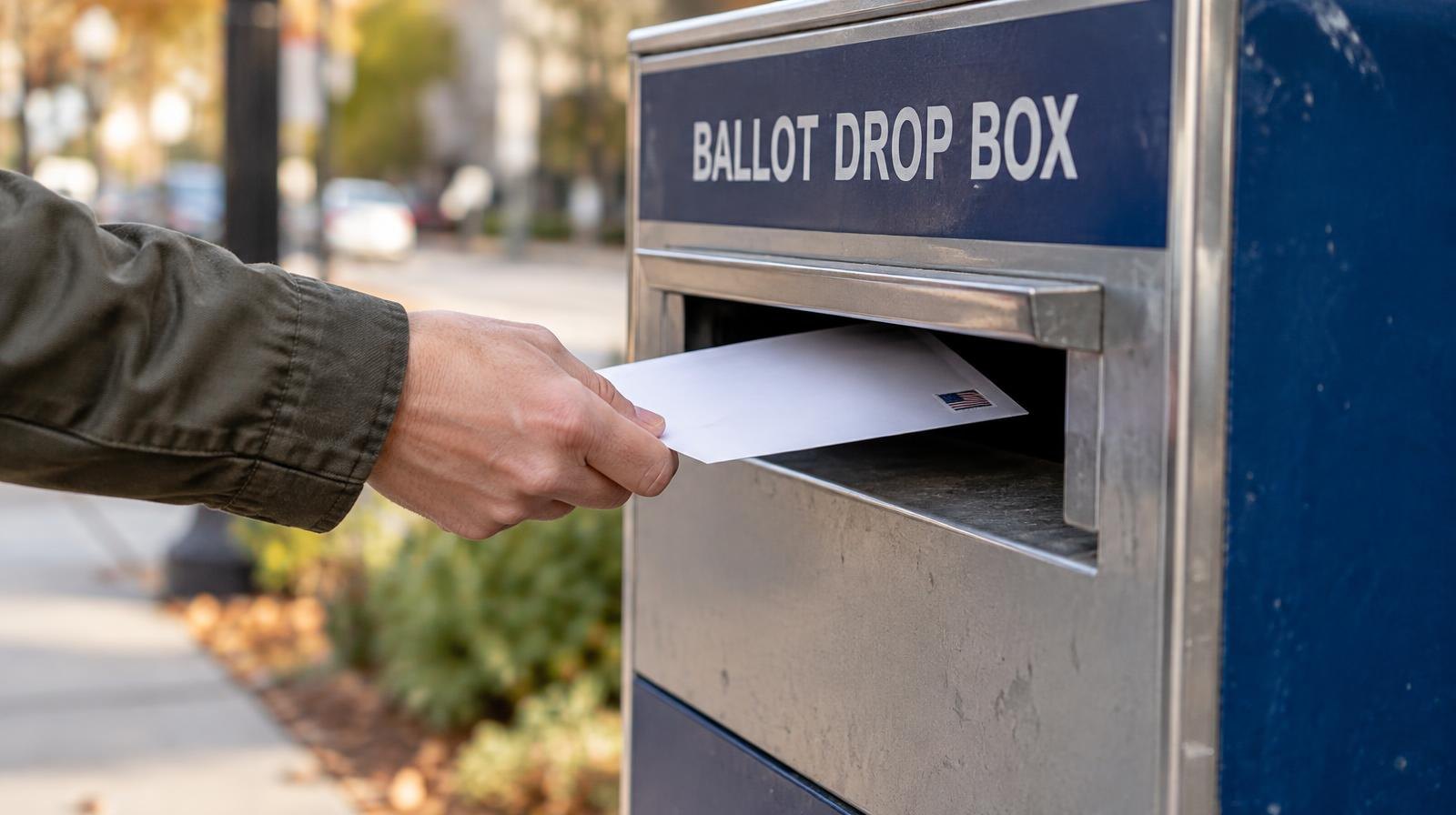
Voters will decide the measure on Tuesday, Nov. 3.
What Prop 40 would do
Proposition 40 would impose a one-time 5% tax on the net worth of California residents with more than $1 billion in assets who lived in the state as of Jan. 1, 2026. Real estate, pensions and retirement accounts would generally be excluded, according to the state Legislative Analyst's Office (LAO). The tax would be due in 2027, and taxpayers could spread payments over five years.
An estimated 255 billionaires would owe the tax, according to data from wealth-intelligence firm Altrata reported by Yahoo Finance. Ninety percent of the revenue would go to public health care. The remaining 10% would fund education, food assistance and administration.
How much it could raise — and cost
Revenue projections vary widely. Proponents estimate the tax could generate roughly $100 billion, a figure they say accounts for 10% tax avoidance, according to CNBC. The LAO projects the state would "probably" collect tens of billions of dollars spread over several years.
The Hoover Institution, a conservative-leaning think tank at Stanford University, offered a lower estimate. Stanford finance professor Joshua Rauh and co-authors projected about $30 billion in new revenue after factoring in billionaire migration out of state.
The LAO also flagged a downside: a "possible ongoing decrease of less than $1 billion per year in state income tax revenue collected from billionaires," as CNBC reported. The Hoover Institution went further, forecasting that lost income tax collections from departures would more than offset the one-time revenue, yielding what it called a net present value of "negative $38.9 billion."
Who opposes and supports it
Gov. Gavin Newsom opposes Prop 40. He said in a June Substack post that a wealth tax should be national, not state-by-state. Democratic gubernatorial candidate Xavier Becerra also said he would vote no. Becerra said during a debate that billionaires should pay their fair share but called the one-time tax unpredictable and unsustainable, as CNBC reported.
The California Teachers Association (CTA) said in a press release that the policy "will not provide the sustainable and long-lasting funding that our schools and communities deserve," according to the Pajaronian. The California Chamber of Commerce and Planned Parenthood Affiliates of California also oppose the measure, according to the Los Angeles Times.
Supporters include the healthcare union SEIU-UHW, which spearheaded the measure, along with the California Democratic Party, the California Labor Federation, Teamsters California and U.S. Sen. Bernie Sanders.
Competing ballot measures could block it
Two rival propositions on the same ballot could stop Prop 40 even if a majority of voters approve it. Proposition 42 would bar new retroactive taxes on personal assets after Jan. 1, 2026. Proposition 41 would nullify taxes that breach state spending limits. The LAO stated that if either measure receives more "yes" votes than Prop 40, courts could find they conflict and block the wealth tax from taking effect.
Opponents have raised more than $205 million to fight Prop 40, according to campaign finance records cited by CalMatters. Google co-founder Sergey Brin alone contributed $102 million to the opposition, CalMatters reported.
A September poll by the Public Policy Institute of California found 52% of likely voters in favor and 46% against, according to Rio Times Online.
Rialto residents can cast ballots at any San Bernardino County vote center through Election Day on Tuesday, Nov. 3.